Dilated Cardiomyopathy (DCM)
A guide for people with DCM, families, and carers in Australia and New Zealand
Introduction
Dilated cardiomyopathy (DCM) is a condition where part of the heart muscle becomes larger, making the walls of the heart stretched or thinner. This can make it more difficult for the heart to pump enough blood around the body.
This fact sheet provides information for individuals and families affected by DCM in Australia and New Zealand. It is general information only and should not replace advice from your doctor or healthcare team

What is DCM?
Dilated cardiomyopathy (DCM) is a type of cardiomyopathy (heart muscle disease) in which the chambers of the heart become enlarged. It usually effects the left lower heart chamber (left ventricle), although sometimes the right ventricle and upper chambers of the heart (the atria) can also be affected.
The changes in the structure of the heart muscle make it harder for it to pump blood, meaning less oxygen-rich blood is being sent to organs in the body. The reduced blood supply can lead to symptoms like tiredness and breathlessness and can eventually lead to heart failure. It can also lead to an increased risk of irregular heart rhythms (arrhythmias) and stroke (due to blood clots).
DCM can range in severity from mild (with no or very few symptoms), to severe (where symptoms significantly impact on daily life). With proper treatment and monitoring, many people can live well with DCM.
How many people have DCM?
DCM is one of the most common forms of cardiomyopathy. It affects up to 1 in 250 people. DCM is diagnosed more in men than women, although it is relative common in both. It can be diagnosed in people of any age, but is usually seen in adults younger than 50.
A person’s race or ethnic background may increase their risk of being diagnosed with DCM, particularly in childhood cases of DCM where First Nation’s children in Australia and Māori and Pacific Island children in New Zealand experience higher rates.
What are the types?
There are three main types of DCM, which are grouped by the cause of the condition. However, sometimes a person’s DCM can’t be easily attributed to one type of DCM. For example, a person who has a genetic variant may have an increased risk of developing DCM, but their DCM is triggered by another condition. The types of DCM are:
- Genetic DCM: is caused by changes (variants) in genes. This type of DCM runs in families (inherited) and makes up about 40% of cases. There are about 40 different genes that have been linked to genetic DCM, and in some cases, new variants happen that haven’t been reported before (sporadic DCM). A person with genetic DCM has a 50% chance of passing the variant to their children (known as an autosomal dominant inheritance pattern).
- Acquired DCM: happens when other health conditions, or things people are exposed to, cause DCM. There are many things that can lead to acquired DCM, including:
- Myocarditis, which is inflammation of the heart muscle usually due to an infection (often viral).
- Alcohol or illicit/recreational drug use.
- Certain chemotherapy drugs used to treat cancer.
- Living with obesity and/or diabetes.
- Autoimmune diseases or thyroid disorders.
- Long-standing high blood pressure or heart rhythm disorders.
- Idiopathic DCM: is what it is called when no clear cause for a person’s DCM can be found.
What are the symptoms of DCM?
The symptoms of DCM can vary a lot from person to person. DCM can be progressive, with symptoms worsening over time in some people. Some people with DCM may also be asymptomatic, which means they are not experiencing any symptoms of the condition.
Symptoms may include:
- Shortness of breath at rest and on exertion
- Dizziness or fainting (‘syncope’)
- Chest discomfort, including pain described as dull, sharp, radiating or non-radiating
- Unexplained fatigue, tiredness, or reduced exercise tolerance
- Palpitations or fluttering sensations in the chest
- Swelling in the belly, legs, or ankles
What are the symptoms of DCM?
If left untreated, DCM can lead to serious health problems, including:
- Dangerous heart rhythms – fast or irregular heartbeats that can become life-threatening.
- Sudden cardiac arrest – in rare cases, when the heart suddenly stops beating, especially during intense exercise or after strong emotional events.
- Heart failure – reduced blood flow as the damaged heart muscle has difficulty pumping blood properly.
- Blood clots – which can be dangerous if they travel to the lungs or brain.
How is DCM diagnosed?
To find out if someone has DCM, doctors use a range of tests. Some of the tests used are:
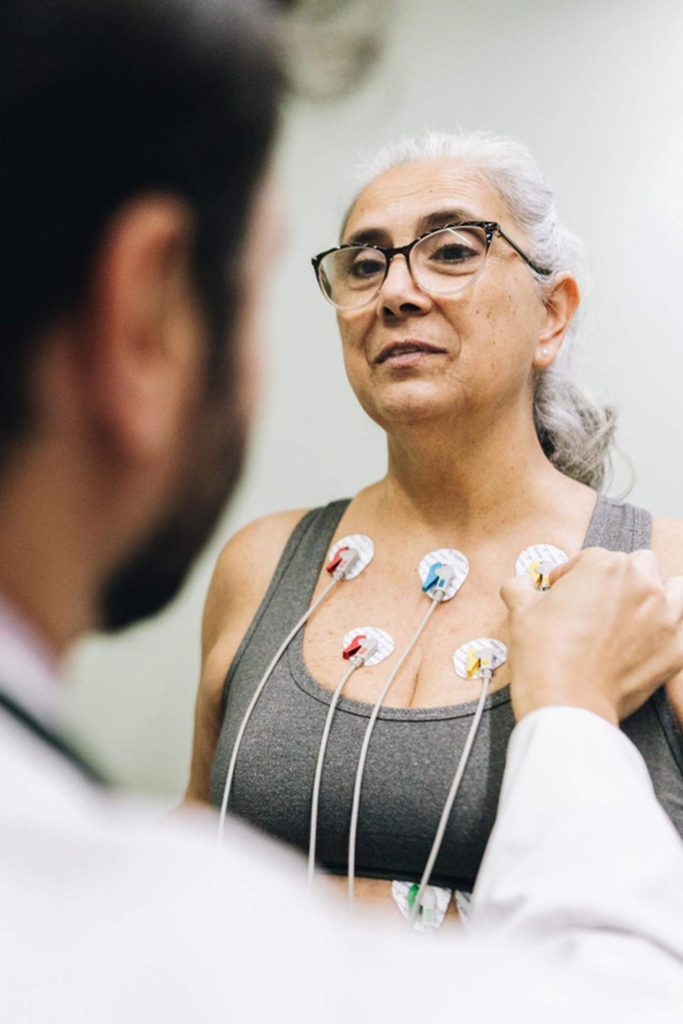
- Electrocardiogram (ECG): measures heart rhythm and can show if the electrical signals controlling the rhythm are normal. An ECG can be measured in a doctor’s office, or in some cases a portable ECG will be worn for 24–48 hours (sometimes called a Holter monitor).
- Echocardiogram (an ultrasound of the heart): shows if the heart is an unusual shape or size, particularly if the walls of the heart are thinned, and if it is filling up and emptying blood normally.
- Chest x-ray: can also show if the heart is an unusual shape or size, as well as if any fluid is building up where it shouldn’t be.
- Cardiac magnetic resonance imaging (MRI): provides detailed images of the heart muscle that can show changes in shape and size, as well as how well the heart is pumping blood.
- Exercise testing: monitors how well your heart is working and its rhythm while you are doing physical activity.
- Blood tests: to detect changes that may identify possible causes (e.g. thyroid conditions or viruses).
- Genetic testing: looks for changes in the genes that can lead to DCM.
- Family screening: close relatives of people diagnosed with genetic DCM are encouraged to receive genetic counselling and testing.
How is DCM treated or managed?
There is currently no cure for DCM. It is a chronic condition and is managed by treating symptoms and reducing risks. This can involve changing your lifestyle, taking medicines, or sometimes having an operation.
Treatments that aim to stop the progression and ease the symptoms of DCM include:
- Angiotensin-converting enzyme (ACE) inhibitors and angiotensin II receptor blockers (ARB): reduce blood pressure and make it easier for the heart to work. ARBs are often used if someone can’t have ACE inhibitors.
- Beta-blockers and anti-arrhythmic medicine: used to correct abnormal heart rhythms.
- Anticoagulants: (also known as blood thinners) lower the risk of blood clots and stroke.
- Diuretics and mineralocorticoid receptor antagonists (e.g. spironolactone): (also known as fluid or water tablets) help the body get rid of extra fluid, which can ease swelling and breathlessness. These are widely used and available in both Australia and New Zealand.
- Pacemakers or implantable cardioverter-defibrillators (ICD): are small devices that are implanted under your skin to monitor your heartbeat. If it changes (going too fast, slow or becoming irregular) these devices send an electrical signal that helps the heart to keep a normal heart rhythm.
- Cardiac resynchronisation therapy (CRT): uses a pacemaker to help coordinates the different chambers of the heart to beat as efficiently as possible.
- Heart transplant: in people where symptoms are severe and do not respond to other treatments, a heart transplant may be considered. A heart transplant for DCM is quite rare and only considered in people who meet strict eligibility criteria.
Lifestyle changes that can help maintain general health and manage symptoms:
- Staying active: physical activity is good for your heart and general health. The amount of exercise that is appropriate will be different for every person, so it is important to discuss this with your doctor.
- Limit alcohol and avoid recreational drugs: alcohol and recreational drugs can raise your heart rate and increase blood pressure. Limiting alcohol intake is good for your heart.
- Eating a heart-healthy diet and maintaining a healthy weight: a balanced diet can help to keep a healthy weight, which will reduce the impact on the heart as well as helping with general health.
- Reducing salt intake: as well as monitoring how much fluid you are consuming can help regulate the volume of blood which makes it easier for your heart to pump effectively.
- Having regular health checks and keeping a diary: regular checks you’re your doctor to monitor your blood pressure, weight, fluid intake, and ability to exercise can help to highlight any changes in your heart health early. Keeping a diary that records this (and any other symptoms you experience) is very helpful for your doctor.
Where to get support
Support is available for people affected by DCM in both Australia and New Zealand. Your GP and cardiologist are the main contacts for discussing symptoms, treatment options, and ongoing care.
You can also get information and connect with others by visiting Cardiomyopathy Australia New Zealand, joining our private Facebook group, and following our social media channels.

Additional supports:
Australia:
- Visit the Australian Heart Foundation
- For young people visit HeartKids
New Zealand:
- Ask you cardiologist about a Heart Failure Nurse Specialist in your area
- Visit the New Zealand Heart Foundation or Rare Disorders New Zealand
- For young people visit HeartKids: